Baja California Sur is a land of captivating landscapes, rich culture, and profound history. One of the most significant and fascinating chapters in the history of this region is the arrival of Spanish missionaries, who established a series of missions that would lay the foundation for many of the communities we see today. The Ruta de las Misiones (Missions Route) invites travelers to explore these historical sites, each one telling a unique story of cultural exchange, religious influence, and the development of Baja California Sur.
This journey through the past offers not only a glimpse into the lives of the missionaries and indigenous peoples who once lived in the area but also an opportunity to experience the stunning beauty of Baja California Sur’s mountains, deserts, and coastlines. Whether you’re a history buff, an adventurer, or a lover of scenic drives, the Missions Route is a journey worth taking.
A Brief History of the Baja California Missions
The establishment of the missions in Baja California dates back to the late 17th century when Spanish missionaries, led primarily by Jesuits, arrived on the peninsula with the aim of converting the indigenous populations to Christianity. The first mission, Misión de Nuestra Señora de Loreto Conchó, was founded in 1697 in the town of Loreto, which became the starting point for the spread of Christianity and Spanish influence throughout Baja California.
Over the next century, Jesuit, Franciscan, and Dominican missionaries founded more than 30 missions throughout the Baja California Peninsula. These missions served as religious, agricultural, and social centers, where the missionaries taught indigenous communities new agricultural techniques, European customs, and the Christian faith. However, the mission system also disrupted traditional ways of life, leading to significant changes in the local indigenous cultures.
While many of the missions were abandoned or fell into disrepair over time, some of their ruins and structures have been preserved, offering modern visitors a chance to connect with this important part of Baja California’s history.
A Brief History of the Baja California Missions
The Ruta de las Misiones stretches across Baja California Sur, from the historic town of Loreto in the north to the southern regions near La Paz and San José del Cabo. Along this route, you’ll discover several well-preserved missions, each with its own unique architecture, history, and setting. Here are some of the key missions you can explore along the way:
1. Misión de Nuestra Señora de Loreto Conchó (Loreto)
The journey begins in Loreto, often referred to as the “head and mother of the California missions.” Founded in 1697 by Jesuit missionary Juan María de Salvatierra, the Misión de Nuestra Señora de Loreto Conchó is the first and oldest mission in the Californias. The town of Loreto served as the capital of Baja California for over a century and remains a cultural hub for the region.
The mission’s beautiful stone church, which still stands today, features a simple yet elegant design, typical of the early mission structures. Inside, visitors can view religious artifacts, artwork, and displays that highlight the mission’s role in shaping the region’s history. The mission also houses a small museum that provides additional insight into the early days of the mission system in Baja California.
Loreto is more than just a historical site—it’s a vibrant town with a rich cultural scene, beautiful beaches, and opportunities for outdoor adventure, making it an excellent starting point for your journey along the Missions Route.
2. Misión San Francisco Javier (San Javier)
Located approximately 35 kilometers west of Loreto, the Misión San Francisco Javier is one of the best-preserved missions in Baja California Sur. Built in 1699 and later rebuilt with more durable materials in 1758, this mission is nestled in the Sierra de la Giganta mountains, offering visitors breathtaking views of the surrounding landscape.
The stone church of San Javier, often regarded as one of the most beautiful mission churches on the peninsula, features intricate baroque architecture and remains largely intact, thanks to its remote location. The mission grounds include an orchard where missionaries once grew fruit, and you can still see ancient olive trees planted by the Jesuits.
The drive to San Javier is an adventure in itself, as the winding road takes you through dramatic mountain scenery. Visitors often describe this leg of the journey as one of the highlights of the Missions Route.
3. Misión de San Ignacio Kadakaamán (San Ignacio)
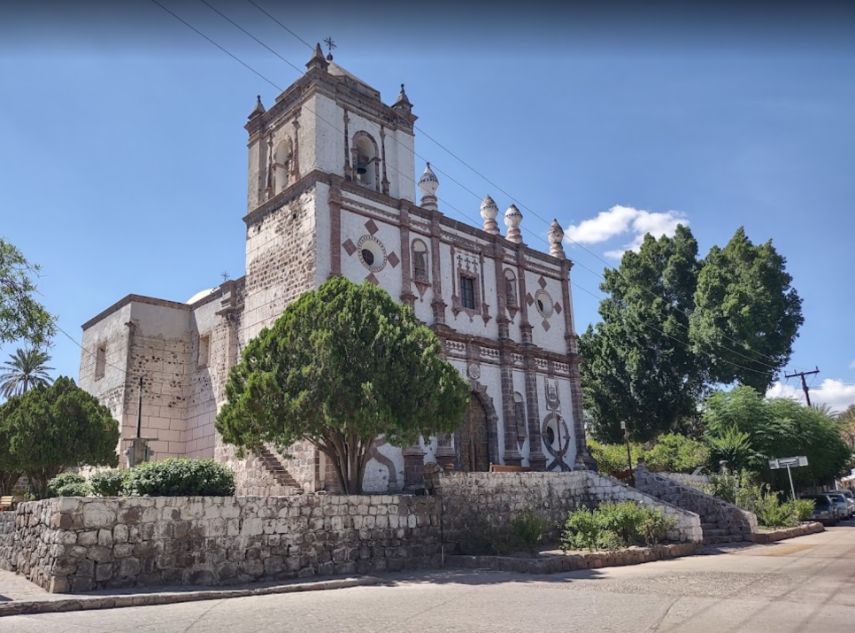
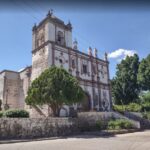
As you continue your journey south, you’ll come across the Misión de San Ignacio Kadakaamán, located in the charming oasis town of San Ignacio. Founded in 1728, this mission is known for its picturesque setting, surrounded by lush palm groves and freshwater springs in the otherwise arid desert landscape.
The mission’s stone church, completed in 1786, features a grand façade with ornate carvings and stands as one of the most impressive examples of colonial architecture in Baja California. Inside, you’ll find original religious paintings and statues that have been preserved for centuries.
San Ignacio is also a gateway to the San Ignacio Lagoon, famous for its whale-watching opportunities, particularly during the winter months when gray whales migrate to the area to give birth. This makes it a fantastic destination for travelers interested in combining historical exploration with wildlife encounters.
4. Misión Santa Rosalía de Mulegé (Mulegé)
Situated on a hill overlooking the Mulegé River, the Misión Santa Rosalía de Mulegé offers visitors stunning views of the river valley and the nearby town of Mulegé. Founded in 1705, the mission was an important agricultural center for the region, thanks to the fertile land surrounding the river.
The stone church of Mulegé, completed in the late 18th century, remains well-preserved and offers a glimpse into the architectural style of the time. Visitors can explore the mission grounds and enjoy the peaceful atmosphere of the surrounding palm oasis.
Mulegé itself is a quaint town with a relaxed vibe, making it an ideal place to stop and rest along your journey. The nearby Bahía Concepción, with its crystal-clear waters and white-sand beaches, is perfect for swimming, kayaking, and snorkeling.
5. Misión de San José del Cabo Añuití (San José del Cabo)
Located at the southern tip of the peninsula, in the heart of San José del Cabo, the Misión de San José del Cabo Añuití was founded in 1730. While the original structure was destroyed, the current church was rebuilt in the 20th century and serves as a cultural landmark in the bustling town.
San José del Cabo offers a vibrant blend of history, art, and modern amenities. Visitors can stroll through the town’s charming historic district, which is home to art galleries, shops, and restaurants. The mission itself remains a popular site for visitors interested in learning about the region’s colonial past.
A Scenic and Cultural Journey
While the missions themselves are a key draw, the journey between them is equally rewarding. The Missions Route takes travelers through some of Baja California Sur’s most stunning landscapes, including rugged mountains, tranquil oases, and dramatic coastlines. Along the way, you’ll encounter small towns and villages that offer a glimpse into the traditional way of life in the region.
In addition to visiting the missions, consider taking advantage of the outdoor activities that Baja California Sur has to offer. Whether it’s hiking in the Sierra de la Laguna, exploring the pristine beaches of Bahía Concepción, or kayaking in the Sea of Cortez, there’s no shortage of ways to immerse yourself in the natural beauty of the peninsula.
Preserving Baja California’s Heritage
The Missions Route is not just a journey through history—it’s also an opportunity to contribute to the preservation of Baja California Sur’s cultural and natural heritage. Many of the missions are in remote areas and rely on local communities for their upkeep. By visiting these sites and supporting local businesses, you can help ensure that future generations will continue to have access to these important cultural landmarks.
In addition, practicing sustainable tourism—such as minimizing waste, respecting local customs, and choosing eco-friendly accommodations—will help protect the pristine landscapes that make Baja California Sur such a unique destination.
A Journey Through Time and Nature
The Ruta de las Misiones is more than just a road trip—it’s a journey through time, offering travelers the chance to explore the rich history and natural beauty of Baja California Sur. From the ancient olive trees of San Javier to the lush oasis of San Ignacio, each stop along the route tells a story of resilience, adaptation, and cultural exchange.
For those looking to experience the essence of Baja California Sur while supporting the preservation of its heritage, the Missions Route is an unforgettable adventure. Whether you’re a history enthusiast, a nature lover, or simply seeking a deeper connection with the places you visit, the Missions Route offers something for everyone.
So pack your bags, hit the road, and embark on a journey through Baja California Sur’s past and present—one mission at a time.