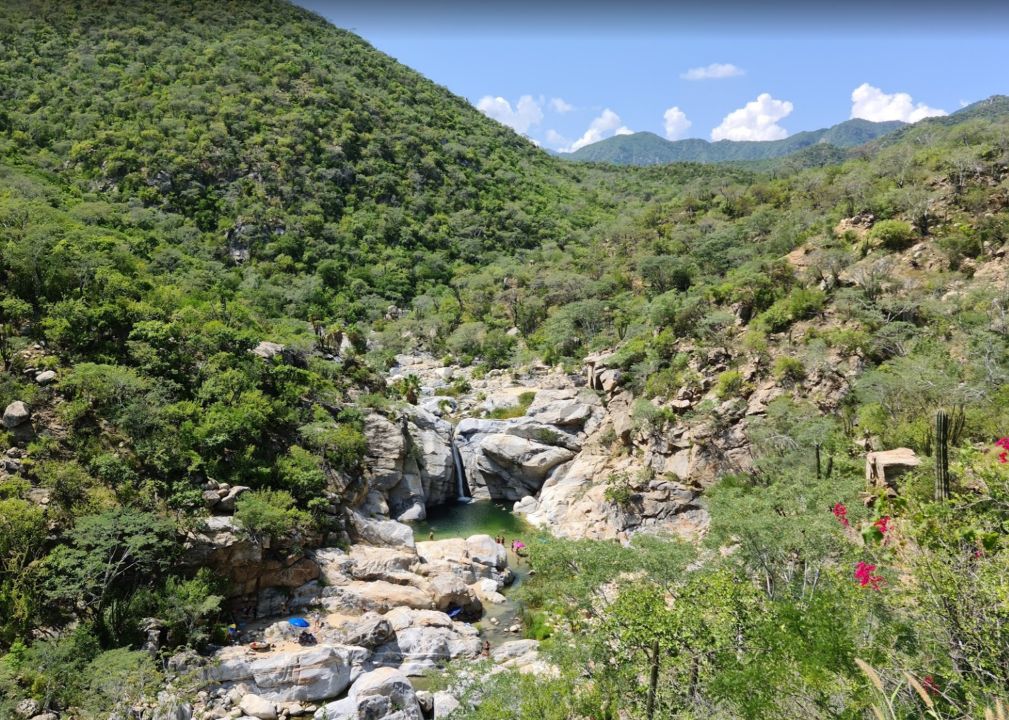
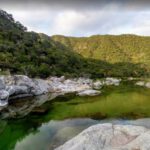
This large region constitutes the only forest in the state of Baja California Sur, where pine and oak forests alternate with other vegetation populations, including semi-desert zones and smaller areas of low deciduous forest.
International Designations:
- RAMSAR Site-Wetlands Convention, 2008.
- MaB Biosphere Reserve, 2003.
Natural Phenomena
- Forest regeneration, November to March.
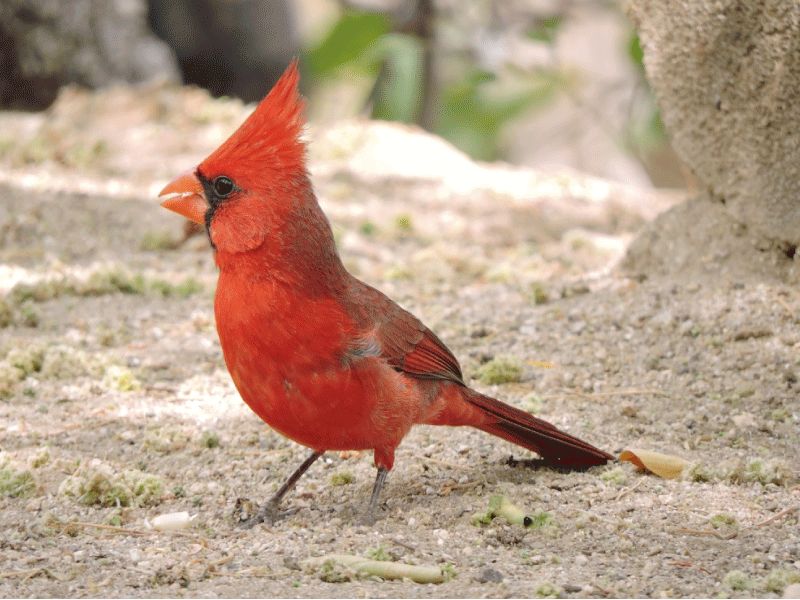
- Arrival of migratory bird species, October-March.
Horseback riding, hiking, canyoning, mountain biking, ATVs, rock climbing, rural photography, mountaineering, flora and fauna observation, preparation and use of traditional medicine, rappel, interpretive trekking, workshops, crafts (handicrafts, sculpture…), environmental education workshops, gastronomic workshops, zip line and rural tourism.
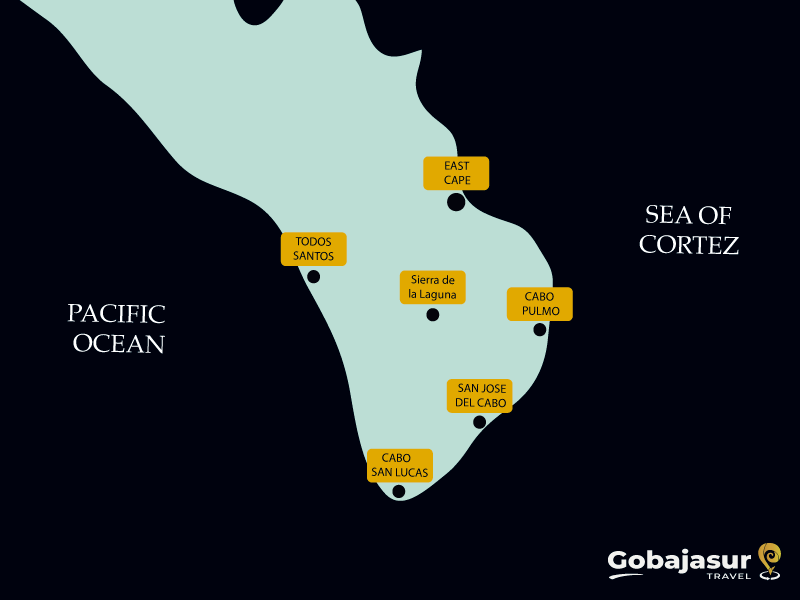
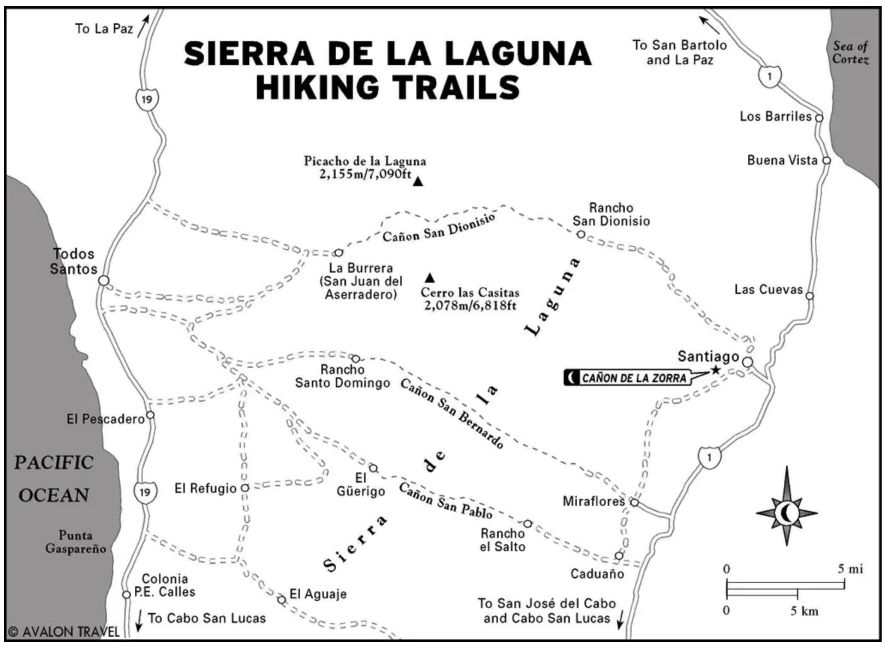
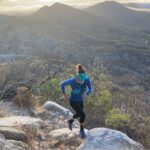
Hiking Sierra de la Laguna
Hiking Considerations
- Do not hike alone: It is recommended that hikes be done in groups of no less than two or three people).
- Hire local guides: (Because of the type and degree of difficulty of the trails in Zorra Canyon, San Dionisio, and San Simón, it is recommended to hire local guides to avoid getting lost and to make the hike more pleasant. In the communities within the reserve, ranchers provide guides and mules for riding and loading.
- Equipment: It is necessary to bring basic equipment for low temperature camping. It is recommended that you travel light and do not carry canned food or other heavy objects, wear light, well-soled hiking boots to protect your ankles. Try to wear a hat or cap, sunglasses, etc.
- Dates of visit: The tours can be done throughout the year. After the hurricane seasons, that is, October and November, the springs have more water to replenish themselves, which is vital in the long trails of the Zorra Canyon, San Dionisio, La Victoria, San Simón and La Burrera.
- Starting the trails: At certain times of the year you should consider the high temperatures and try to hike early in the morning or in the afternoon.
- Permitted camping sites: Use only permitted camping sites; light campfires only at authorized camp sites and make sure they are completely extinguished when you leave.
Source: CONAP