
- Explorer Map
arrow_drop_down
- Tours & Deals
- Guides
arrow_drop_down
- Blogs
Mulegé
Travel Guide
Mulegé
Experiences
Mulegé
Accommodation
Mulegé
Gastronomy
Mulegé
Tours & Deals
Mulegé
Insight
Discover an oasis of history, nature, and adventure. Explore stunning landscapes, ancient cave paintings, and pristine beaches.
Live unforgettable adventures with nature, culture, and thrill-seeking activities. Whether exploring wild landscapes or immersing yourself in local traditions.
Find the perfect place to stay, from boutique hotels and eco-lodges to cozy retreats. Comfort, authenticity, and stunning surroundings await you.
Savor the flavors with fresh seafood, traditional recipes, and innovative cuisine that reflect the local identity. A true culinary journey.
Let expert guides lead you through incredible experiences. From wildlife encounters to cultural explorations, find and book the perfect tour for your.
Go beyond the surface with local insights, travel tips, and stories that bring the destination to life. Discover hidden gems and make the most of your journey.
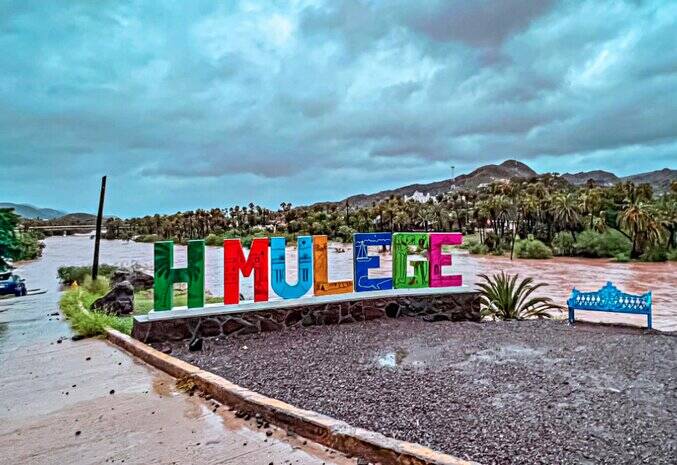


WELCOME TO MULEGÉ
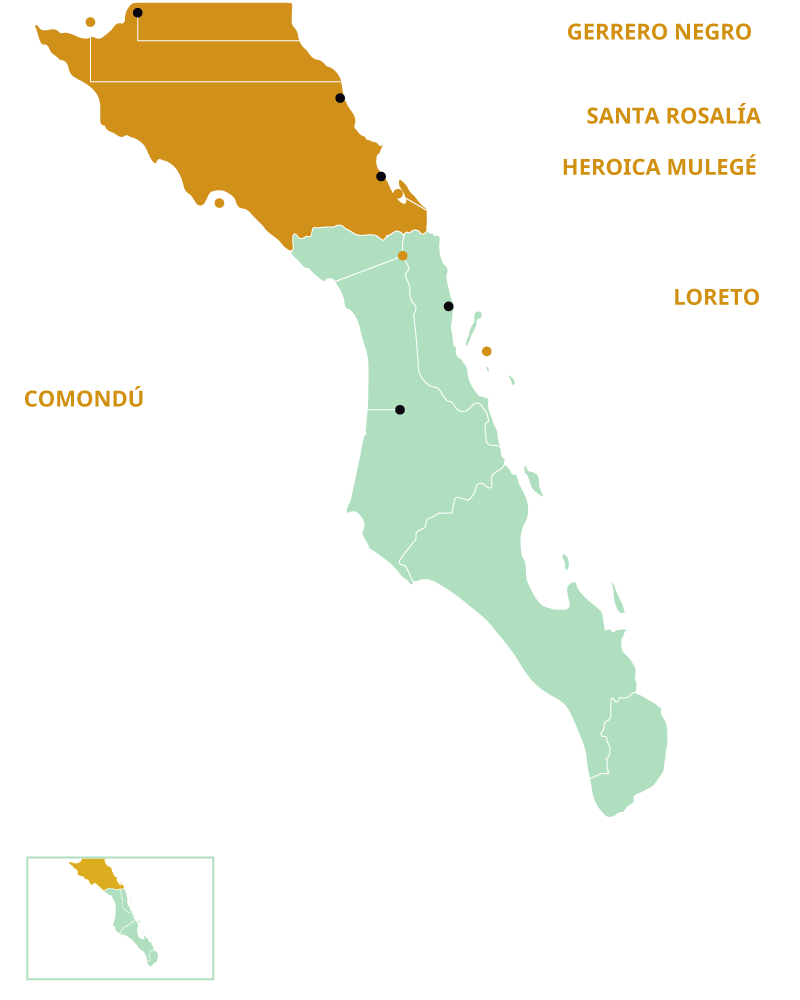
Nestled between the greatness of the desert and the deep blue of the Sea of Cortez, Mulegé is an oasis waiting to be explored. From palm-lined riverbanks to colonial missions and secluded beaches, every corner of this destination tells a story of history, nature, and adventure.
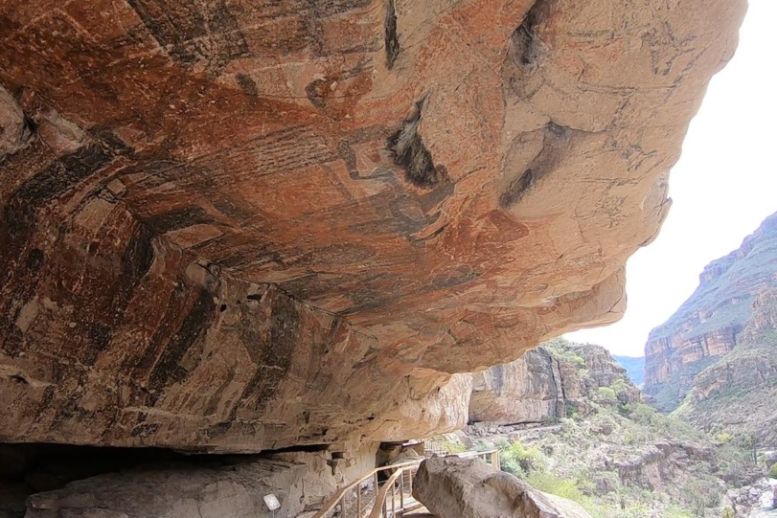
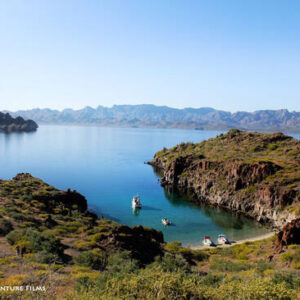
Venture into the Sierra de Guadalupe to admire ancient cave paintings, kayak through the turquoise waters of Bahía Concepción, or sail alongside dolphins in the Gulf of California. Stroll through charming towns, uncover rich marine life, or simply relax under an endless starry sky. Whether you seek adrenaline or tranquility, Mulegé offers the perfect balance.
Here, every experience becomes an unforgettable memory. Use this guide to discover must-see spots, hidden gems, and unique adventures. Are you ready to explore?
TOP ACTIVITIES
Discover what makes Mulegé truly unique
EXPLORE BY CATEGORY
Find your spark and explore it on the map
Beaches
View on MapWhale Watching Spots
View on MapBird Watching Spots
View on MapOasis Spots
View on MapKayaking Spots
View on MapWildlife Spots
View on MapScuba Diving
View on MapKitesurfing
View on MapSurfing
View on MapNatural Monuments
View on MapINTO THE WILD
Reconnect with nature
CULTURAL ROOTS
Discover local heritage
STAY YOUR WAY
Find your perfect retreat
EAT LIKE A LOCAL
Taste the soul of local cuisine
BOOK YOUR ADVENTURE
All activities, all just one click away!
INSIGHTS
WATCH
VISITOR INFORMATION
1. What is the best time to visit Mulegé?
The best time is from November to April, with mild temperatures ideal for outdoor activities. Summers can be very hot.
2. How can I get to Mulegé?
You can fly into Loreto International Airport (LTO) and drive 2 hours north. From the U.S., drive down Highway 1 from Tijuana. Buses also connect Mulegé with major cities in Baja California Sur.
3. Do I need any vaccines or health requirements to travel?
No special vaccines are required, but it’s recommended to stay up to date with routine vaccinations. Travel insurance is advised.
4. Is it safe to travel to Mulegé?
Yes, Mulegé is generally safe. As with any remote area, take basic precautions, such as avoiding nighttime driving on highways.
5. What kind of weather can I expect?
Mulegé has a desert climate with warm winters (20-30°C / 68-86°F) and hot summers (35-45°C / 95-113°F). The Sea of Cortez helps regulate coastal temperatures.
1. What outdoor activities are recommended?
Kayaking in Bahía Concepción, hiking in the Sierra de Guadalupe, visiting cave paintings, whale watching (Jan-Mar), and snorkeling in the Sea of Cortez.
2. Are there sustainable tourism options?
Yes, you can join eco-friendly tours, stay in eco-lodges, visit conservation areas, and support local sustainable businesses.
3. What cultural experiences should I not miss?
Visit the historic Misión Santa Rosalía de Mulegé, explore local markets, and learn about the region’s indigenous cave paintings.
4. Can I enjoy water activities year-round?
Yes, though winter is best for whale watching and summer for snorkeling and diving. The water is warmest from July to October.
5. Are there family-friendly activities?
Yes! Families can enjoy beach days at Bahía Concepción, wildlife tours, easy hikes, and visiting the historic mission.
1. What lodging options are available?
Options range from small hotels and eco-lodges to beachfront rentals and RV parks.
2. Should I book tours and accommodations in advance?
It’s recommended during high season (December–April), especially for whale-watching tours and beachfront stays.
3. Are credit cards widely accepted?
In larger hotels and restaurants, yes, but many smaller businesses only accept cash. Carry Mexican pesos.
4. Are there camping options in Comondú?
Yes, there are several beachside camping areas along Bahía Concepción, as well as RV parks and inland camping spots.
5. What dining options can I find?
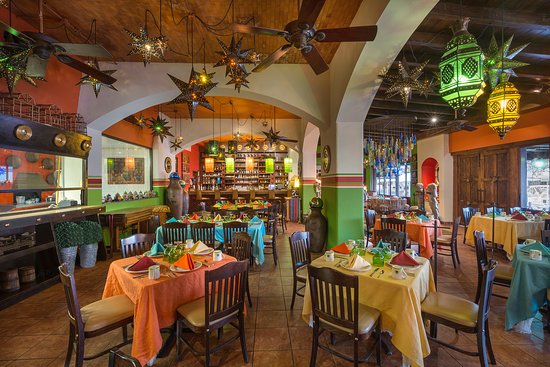
Mulegé offers fresh seafood, traditional Mexican cuisine, and casual eateries. Try fish tacos, chocolate clams, and local ceviche.
1. What’s the best way to get around?
Renting a car is ideal for exploring beaches and remote areas. Bicycles and ATVs are popular for getting around town.
2. What should I know about safety in adventure activities?
Always go with certified guides for activities like diving, kayaking, and hiking. Bring plenty of water and sun protection.
3. Are public transportation options available?
Limited. Buses connect Mulegé with other towns, but local taxis and private transportation are more common.
4. Is it safe to travel alone in Comondú?
Yes, it’s generally safe, but always inform someone about your plans if exploring remote areas.
5. What precautions should I take in remote areas?
Bring enough water, fuel, and supplies. Cell service can be limited, so consider a satellite GPS if going off-grid.
